X+ years of transaction experience
Advising on commercial and industrial property sales, leases and investments across Singapore.
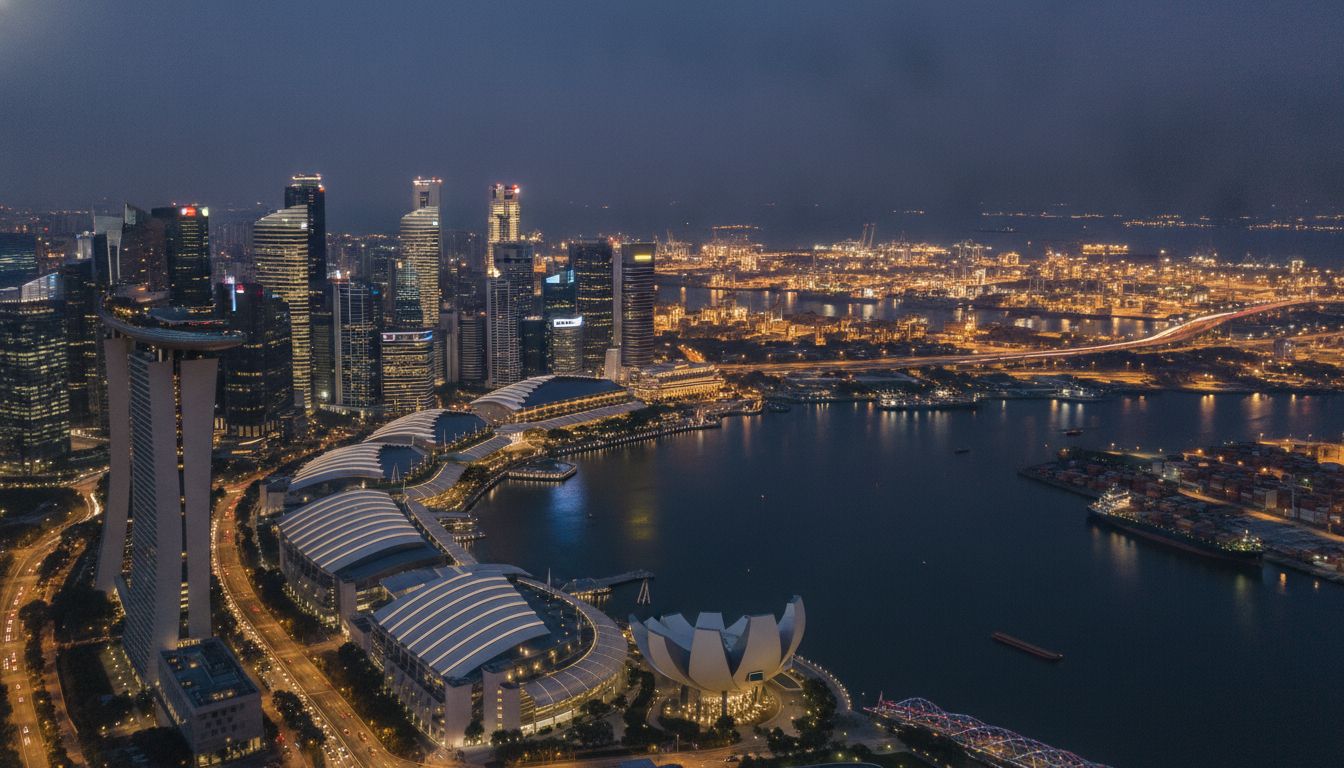
A practical area-by-area guide for companies, investors and landlords comparing CBD offices, city-fringe workspaces, retail/shophouse districts, business parks, B1/B2 industrial zones, warehousing/logistics hubs and manufacturing clusters.
Choosing where to base your operations, invest or lease in Singapore is rarely just about the headline rent. The right address shapes staff recruitment, supply-chain efficiency, zoning compliance, customer footfall and the long-term resale value of the asset.
This guide breaks down Singapore’s main commercial and industrial zones area by area. It explains the property types, transport links, planning rules and market dynamics that matter to business owners, landlords, investors and SMEs.
All rents, prices and trend figures are either sourced from official records or clearly marked as illustrative placeholders. Always confirm the latest data with URA, JTC, SLA or other official sources before committing.
Important: This guide is for general information only and does not constitute financial, legal or property advice. Cindy will flag when a location or deal does not stack up based on current numbers.
Raffles Place, Marina Bay, Tanjong Pagar — Singapore’s prime office and financial core.
The Singapore CBD is the country’s prime office and financial district. It is traditionally bounded by Raffles Place, Marina Bay and Tanjong Pagar, and remains the address of choice for businesses that value prestige, proximity to major clients and unrivalled public-transport connectivity.
Served by the North-South, East-West, Circle, Downtown and Thomson-East Coast MRT lines, with major bus interchanges and direct expressway access via AYE, ECP and MCE.
The CBD sits within a URA Planning Area that is predominantly Commercial. The URA Master Plan sets out plot ratios, height controls and conservation precincts such as Telok Ayer and Chinatown. Refer to URA and the URA Master Plan for the latest controls.
Prime CBD office rents are cyclical and closely tied to finance, technology and flex-space demand. New Grade A supply from recent completions continues to influence effective rents and incentives. Specific rent figures are available on request or via the Market Update page.
The CBD suits multinational corporations, financial institutions, professional services firms, law firms, tech headquarters and any business where prestige, proximity to clients and public-transport access justify a rent premium.
Grade A offices commonly trade on 3+3 or 5+5 year tenures. Serviced offices and co-working spaces offer shorter, flexible terms, often 12–24 months.
Yes, but stock is limited. Buyers should review URA Realis caveat data and check whether a building is approved for strata subdivision before proceeding.
Beyond base rent, tenants should budget for service charge, GST, fit-out, reinstatement, parking, utilities and any air-conditioning after-hours charges.
Sources: URA, URA Realis, JTC.
Orchard/River Valley, Beach Road/Bugis, Alexandra/Rochester, Paya Lebar Central, Tai Seng.
City-fringe locations offer a compromise between CBD prestige and operating cost. Sub-markets such as Orchard/River Valley, Beach Road/Bugis, Alexandra/Rochester, Paya Lebar Central and Tai Seng attract tech, media, creative and professional-services firms that want lower rents, distinctive buildings and access to a younger workforce.
Most fringe nodes are within one or two MRT stops of the CBD or served by the Circle, Downtown, East-West and Thomson-East Coast lines. PIE, AYE, CTE and ECP provide road links.
The fringe is a mix of Commercial, Residential with Commercial at 1st storey, and white-site opportunities. URA’s decentralisation policy also channels growth to Jurong Lake District, Paya Lebar Central and Woodlands Regional Centre. Check the latest URA Master Plan before committing.
Demand from technology, media and professional-services tenants has remained resilient. Adaptive reuse of older buildings and the rental gap to the CBD continue to drive interest. Rent figures are illustrative; request current comparables from Cindy.
Beach Road / Bugis, Tai Seng, Alexandra / Rochester and the Paya Lebar corridor are popular for tech, media, design and professional-services firms seeking lower rents than the CBD.
Only if the specific use is approved under URA Business 1 zoning. Not all B1 units are suitable for pure office use; nuisance, floor loading and fire-safety rules must be checked.
Fringe office rents typically sit 20–40% below prime CBD rents, but the gap varies sharply by building grade, MRT proximity and stock condition. These are illustrative ranges only.
Sources: URA Master Plan, URA Realis, data.gov.sg.
Prime retail belts, neighbourhood malls and heritage shophouse precincts.
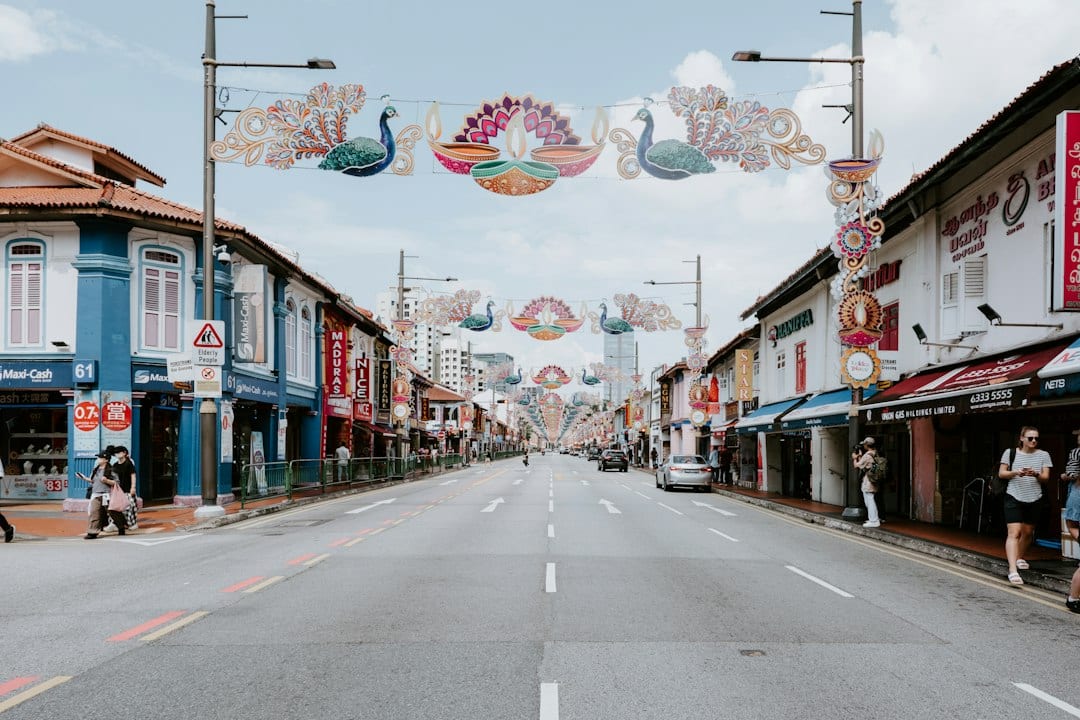
Singapore’s retail landscape ranges from prime belts such as Orchard Road, Marina Bay and Sentosa Cove to neighbourhood heartland malls and HDB shop units. Heritage shophouse precincts — including Tiong Bahru, Kampong Glam, Little India, Chinatown, Joo Chiat and Telok Ayer — offer distinctive F&B, showroom and upper-floor office opportunities.
Prime retail depends on footfall, MRT proximity and parking. Heartland retail relies on residential catchment density. Shophouse performance is tied to walkability, tourist flow and nearby office-worker demand.
URA zoning categories include Commercial, Residential with Commercial at 1st storey and Conservation Area. HDB manages commercial units in public housing estates. Conservation shophouses must follow URA conservation guidelines, and most change-of-use applications require URA approval.
Retail performance tracks tourism arrivals, consumer sentiment and e-commerce penetration. F&B and experiential retail have shown resilience, while some mall segments face pressure from online shopping. Shophouse capital values and rents are influenced by tenure, conservation status and allowable use. Figures are illustrative.
Yes. Changing the use of a shophouse usually requires URA change-of-use approval, and conservation shophouses must also comply with URA conservation guidelines.
999-year and freehold shophouses are held in perpetuity or for a very long term; leasehold shophouses have a fixed tenure remaining. Tenure affects financing, valuation and investment strategy.
Not automatically. F&B requires URA use approval, an NEA food shop licence, SCDF fire-safety clearance and, for conservation shophouses, compliance with conservation guidelines.
Sources: URA Conservation Guidelines, URA Master Plan, Singapore Tourism Board.
One-North, Changi Business Park, International Business Park, Woodlands North Coast, Punggol Digital District, Jurong Innovation District.
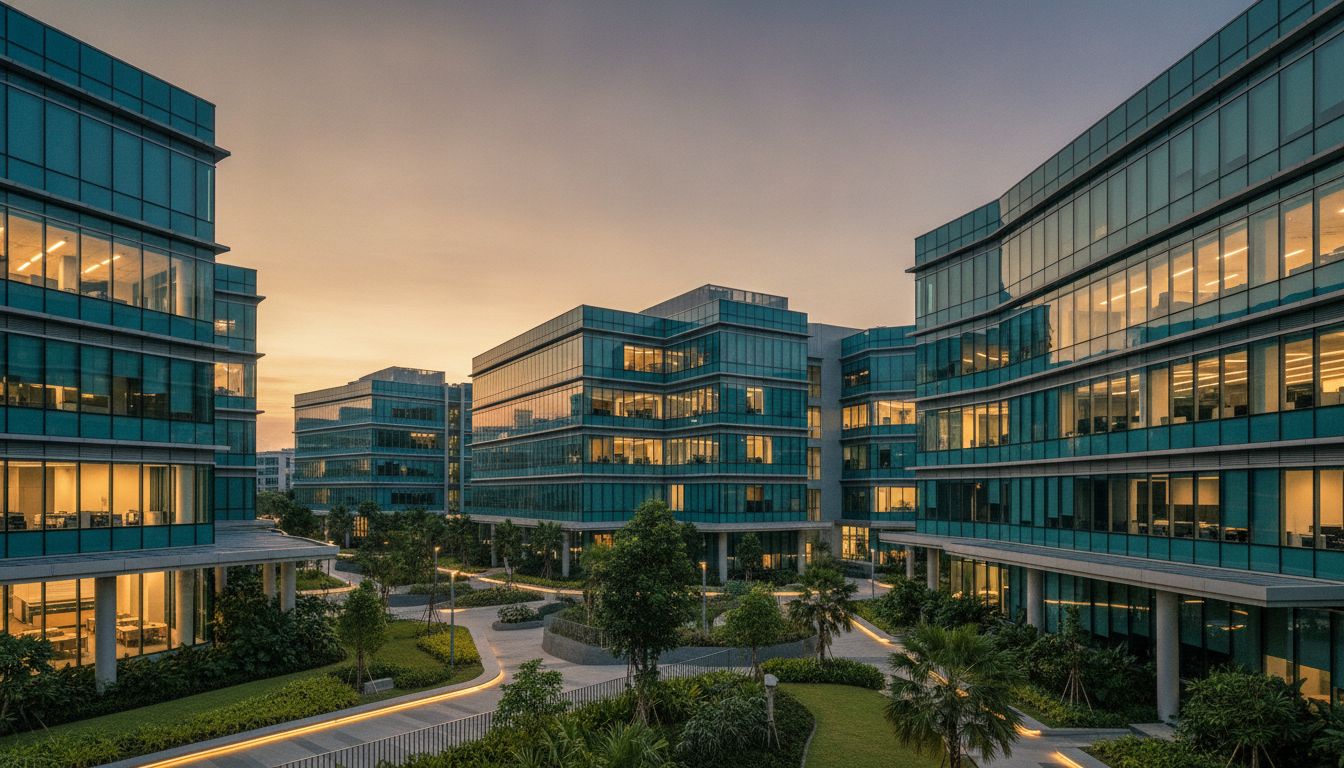
Business parks combine office, research and light industrial uses in a campus setting. Key parks include One-North, Changi Business Park, International Business Park, Woodlands North Coast, Punggol Digital District and Jurong Innovation District. They suit R&D, clean technology, data centres, back-office operations and knowledge-intensive firms.
One-North is served by the Circle Line and Buona Vista interchange; Changi Business Park is near Changi Airport and the East-West Line; International Business Park sits beside Jurong East MRT. Newer parks are being planned with dedicated transport links.
Business parks fall under URA Business 1 / Business Park zones and JTC land allocation. Allowable uses, floor loading, ceiling heights and ancillary retail limits are set by JTC and URA. Always verify the use schedule for a specific building.
Demand is driven by technology, biomedical sciences, logistics-tech and financial services expanding outside the CBD. Hybrid campus concepts and decentralisation continue to support occupancy. Request current business-park comparables.
Some business park zones allow office, R&D and clean technology uses, but each development has specific use conditions. Check the JTC or URA allowable-use schedule for the exact building.
Business parks are typically campus-style, lower-nuisance environments for office, R&D and light ancillary uses. B1 industrial is broader and can accommodate light manufacturing, workshops and logistics with higher floor loading and lorry access.
Foreign ownership of industrial property is restricted under the Residential Property Act and industrial land rules. Approval may be required; seek legal advice before committing.
Sources: JTC, URA Master Plan, EDB.
Lighter, cleaner Business 1 zones and heavier Business 2 industrial estates across Singapore.

URA Business 1 (B1) zones cater to lighter, cleaner industrial uses with lower nuisance and are often closer to amenities and transport nodes. Business 2 (B2) zones accommodate heavier industrial activity with larger nuisance buffers. SMEs, manufacturers, workshops, contractors and logistics firms choose between them based on operations, vehicle access and workforce needs.
Industrial estates rely on lorry access, loading bays and proximity to PIE, AYE, KPE and TPE. Distance to port and airport varies by cluster — Jurong/Tuas and Changi are major nodes.
URA Business 1 and Business 2 zones are set out in the Master Plan. JTC allocates flatted factories, while EDB influences land use for strategic industries. JTC land is typically on 30- or 60-year leases. Foreign ownership is restricted under the Residential Property Act; industrial transactions may require approval.
Modern B1 space and last-mile logistics units have shown rental resilience. E-commerce growth continues to drive demand, while older estates face relocation as sites are redeveloped. Strata industrial prices and rents vary by location, tenure and specifications. Figures are illustrative.
Light, clean workshops are generally allowed in Business 1 zones provided the use meets URA nuisance thresholds, floor-loading and fire-safety requirements. Check the specific building’s allowable-use schedule.
JTC is a government landlord that allocates industrial land and premises according to eligibility criteria. Private industrial properties may be strata subdivided and sold, but land tenures are often shorter and ownership is more restricted.
JTC properties may impose a minimum occupation period. Private strata industrial units generally do not, but sellers may be subject to seller’s stamp duty and financing conditions.
Sources: URA Master Plan, JTC, Residential Property Act, IRAS.
Jurong/Tuas, Pioneer, Loyang, Changi, Tampines, Pandan, Kranji/Sungei Kadut and the future Tuas Port ecosystem.
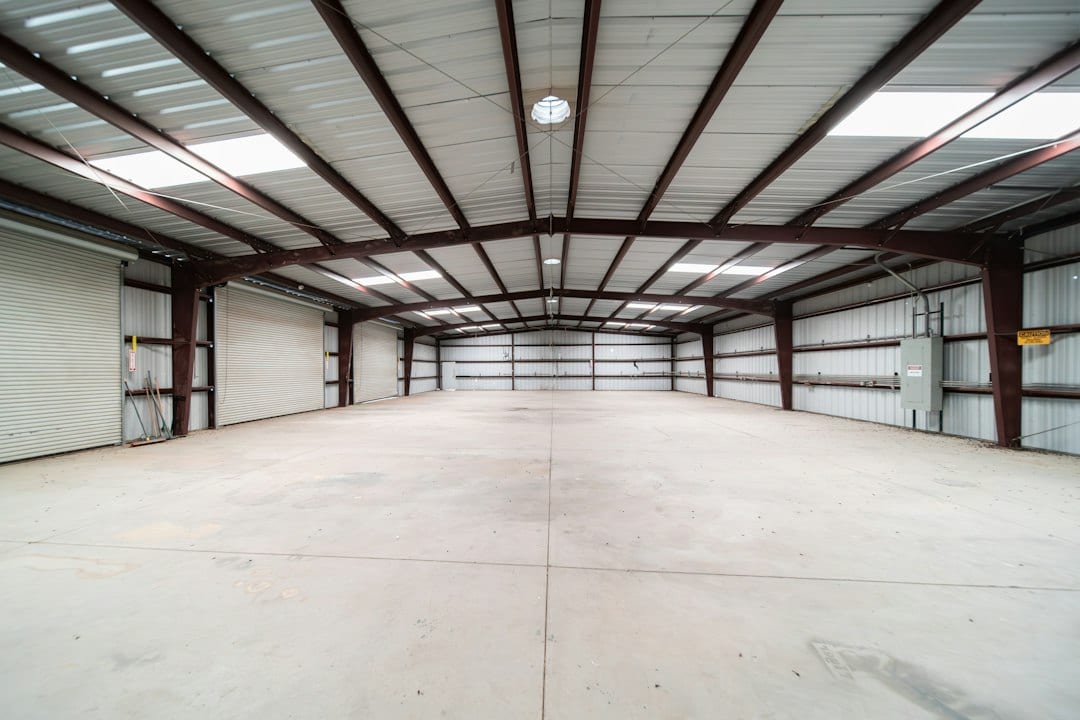
Singapore’s warehousing and logistics nodes are clustered around port, airport and expressway access. Key areas include Jurong/Tuas, Pioneer, Loyang, Changi, Tampines, Pandan and Kranji/Sungei Kadut. Site selection turns on clear height, loading dock configuration, floor loading, cold-chain capability and proximity to the port or airport.
PSA terminals and the future Tuas Port anchor sea freight. Changi Airfreight Centre supports air cargo. Major expressways and, where relevant, rail freight links connect warehouses to the wider island.
URA Logistics, Warehouse and Distribution zones are shown on the Master Plan. JTC provides logistics facilities, while Singapore Customs administers Free Trade Zone status. Cold-chain, hazardous goods and large vehicle movements may require additional approvals.
E-commerce fulfilment, cold-chain growth and supply-chain resilience are driving demand. The relocation of port activities to Tuas is reshaping logistics catchments, with increased demand expected in the Jurong/Tuas corridor. Rent and price figures are illustrative.
Modern warehouses typically offer 8–12 metres of clear height. E-commerce and third-party logistics operators often prefer 10 metres or more to maximise vertical storage and automation.
Yes, for import/export and transshipment operations. FTZ status allows duty deferral, GST suspension and streamlined customs processes. Check eligibility with Singapore Customs.
The consolidation of port activities at Tuas is shifting logistics demand westward. Jurong, Tuas and Pioneer are expected to see increased warehouse and distribution activity as the mega-port matures.
Sources: URA, JTC, Singapore Customs, Maritime and Port Authority of Singapore.
Jurong/Tuas, Woodlands, Senoko, Seletar, Changi, Jurong Innovation District and Punggol Digital District.
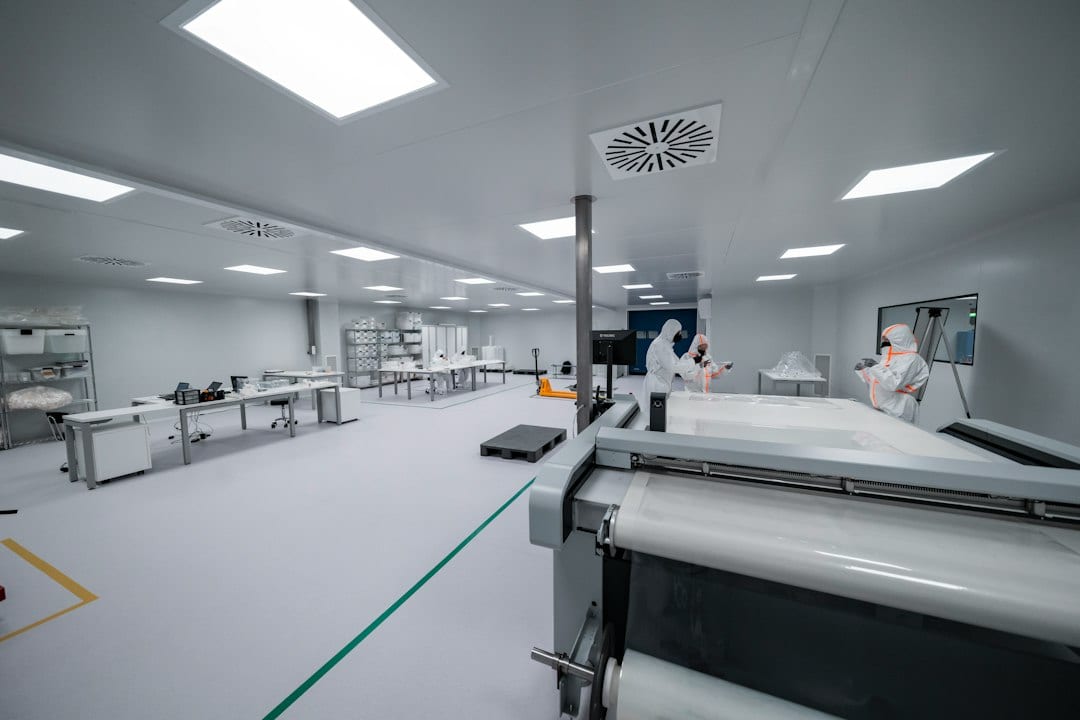
Singapore’s manufacturing clusters span Jurong/Tuas, Woodlands, Senoko, Seletar and Changi, with newer hubs such as Jurong Innovation District and Punggol Digital District. EDB’s industry planning targets higher-value manufacturing in electronics, biomedical sciences, precision engineering, aerospace and clean energy.
Heavy-vehicle access, port and airport proximity, and reliable utilities are critical. Clusters near Tuas Port, Changi Airport and established utilities corridors offer different advantages depending on product and supply chain.
URA Business 2 and special industrial planning areas apply. JTC and SLA allocate land, while EDB manages incentive zones. Environmental and safety clearances from NEA and SCDF are typically required for manufacturing operations.
Advanced manufacturing reshoring, sustainability requirements and energy-efficiency standards are reshaping demand. Semiconductor, data centre and electric-vehicle supply-chain investments continue to support long-term industrial land demand. Figures are illustrative.
Approvals typically include URA or JTC use approval, NEA pollution control, SCDF fire-safety clearance and, where applicable, EDB incentive approvals. Specialised uses may require additional agency clearances.
Foreign ownership of industrial land and property is generally restricted. Most foreign manufacturers lease from JTC or SLA, or acquire approved strata units subject to regulatory approval. Legal advice is essential.
Check power, water, gas and compressed-air capacity with the landlord, JTC or SP Group. High-load users may need substations or utility upgrades, which affect lead time and cost.
A side-by-side view of Singapore’s main commercial and industrial area categories. All rental comparisons are indicative only.
| Area category | Typical uses | Common property types | Indicative rent vs CBD | Zoning category | Best-fit tenant profile |
|---|---|---|---|---|---|
| CBD | Headquarters, banking, legal, MNCs | Grade A offices, strata offices, serviced offices | Premium (baseline) | Commercial | Financial services, MNCs, professional firms |
| City Fringe | Creative, tech, professional services, showrooms | Shophouse offices, strata units, B1 conversions | ~60–80% of CBD | Commercial / Mixed-use / B1 | Startups, tech, media, design firms |
| Retail & Shophouse | Retail, F&B, showrooms, tourism | Ground-floor retail, F&B shophouses, mall strata | Prime belts: premium; heartland: lower | Commercial / Conservation | Retailers, F&B operators, brand showrooms |
| Business Parks | R&D, data centres, clean tech, back office | Business park buildings, science parks, data centres | ~40–70% of CBD | Business 1 / Business Park | Tech, biomedical, R&D, logistics-tech |
| B1 / B2 Industrial | Light manufacturing, workshops, logistics | Flatted factories, ramp-up, terraced, detached | B1: ~25–45%; B2: lower | Business 1 / Business 2 | SMEs, manufacturers, contractors, 3PLs |
| Warehousing & Logistics | Storage, distribution, fulfilment, cold chain | High-spec warehouses, cold storage, FTZ facilities | ~20–40% of CBD | Logistics / Warehouse / Distribution | Logistics operators, e-commerce, importers |
| Manufacturing & High-Tech | Electronics, biomedical, aerospace, precision engineering | Factories, cleanrooms, hangars, chemical plants | Land-cost driven; varies widely | Business 2 / Special industrial | Manufacturers, MNCs, precision engineering firms |
Note: Rental comparisons are broad, illustrative ranges based on market observations and are not guaranteed. Request current comparables from Cindy or verify via URA Realis, JTC and official data sources before making decisions.
Cindy advises business owners, landlords, investors and SMEs on Singapore commercial and industrial property transactions. The approach is numbers-first: every recommendation is grounded in verified data, current market comparables and a clear understanding of costs, risks and limitations.
If a location or deal does not stack up, Cindy will say so. The goal is a transaction that fits your operations and budget — not a sale at any cost.
Credentials and licence numbers shown are placeholders. Please confirm current registration details on the CEA Public Register before proceeding.
Tell Cindy about your budget, operations, headcount and growth plans. You will receive a shortlist of locations with clear pros, cons and cost considerations — or honest feedback if the numbers do not support a move right now.
Fill in the form and Cindy will come back with tailored area recommendations based on your requirements.